Health
Acceptance and Stigma of LGBTQ+ People in Africa: A Complex Crossroad
Home > Acceptance and Stigma of LGBTQ+ People in Africa

Published on
14th December, 2024
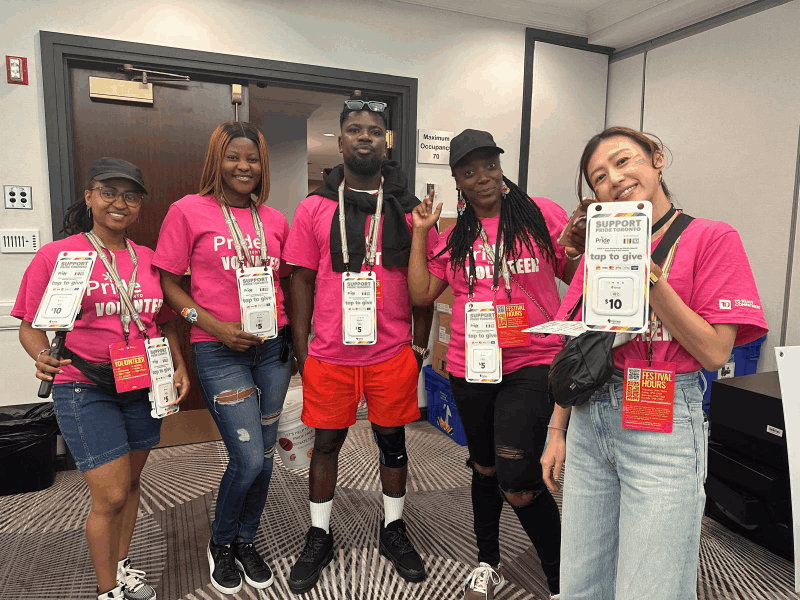
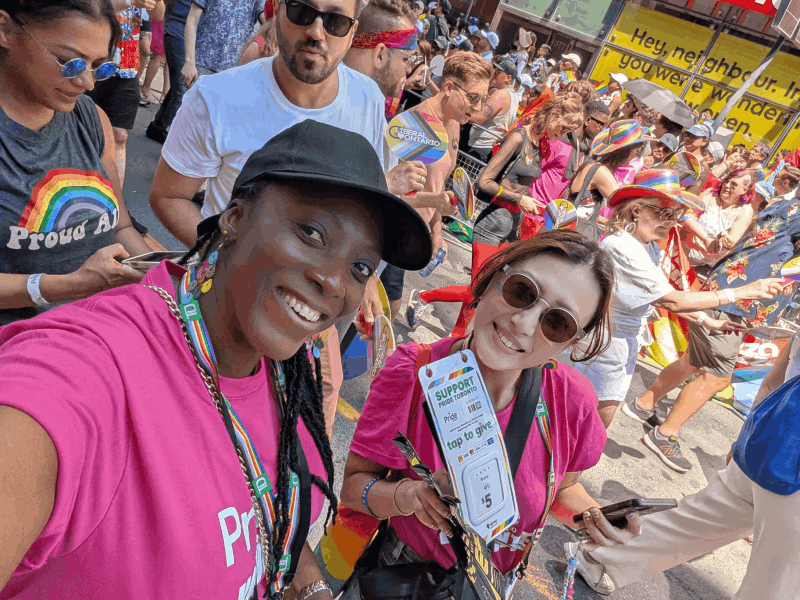
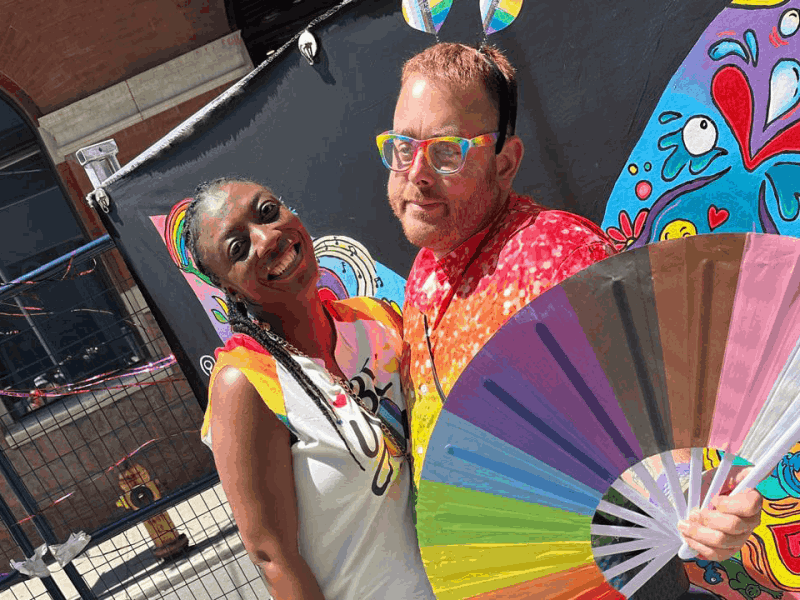
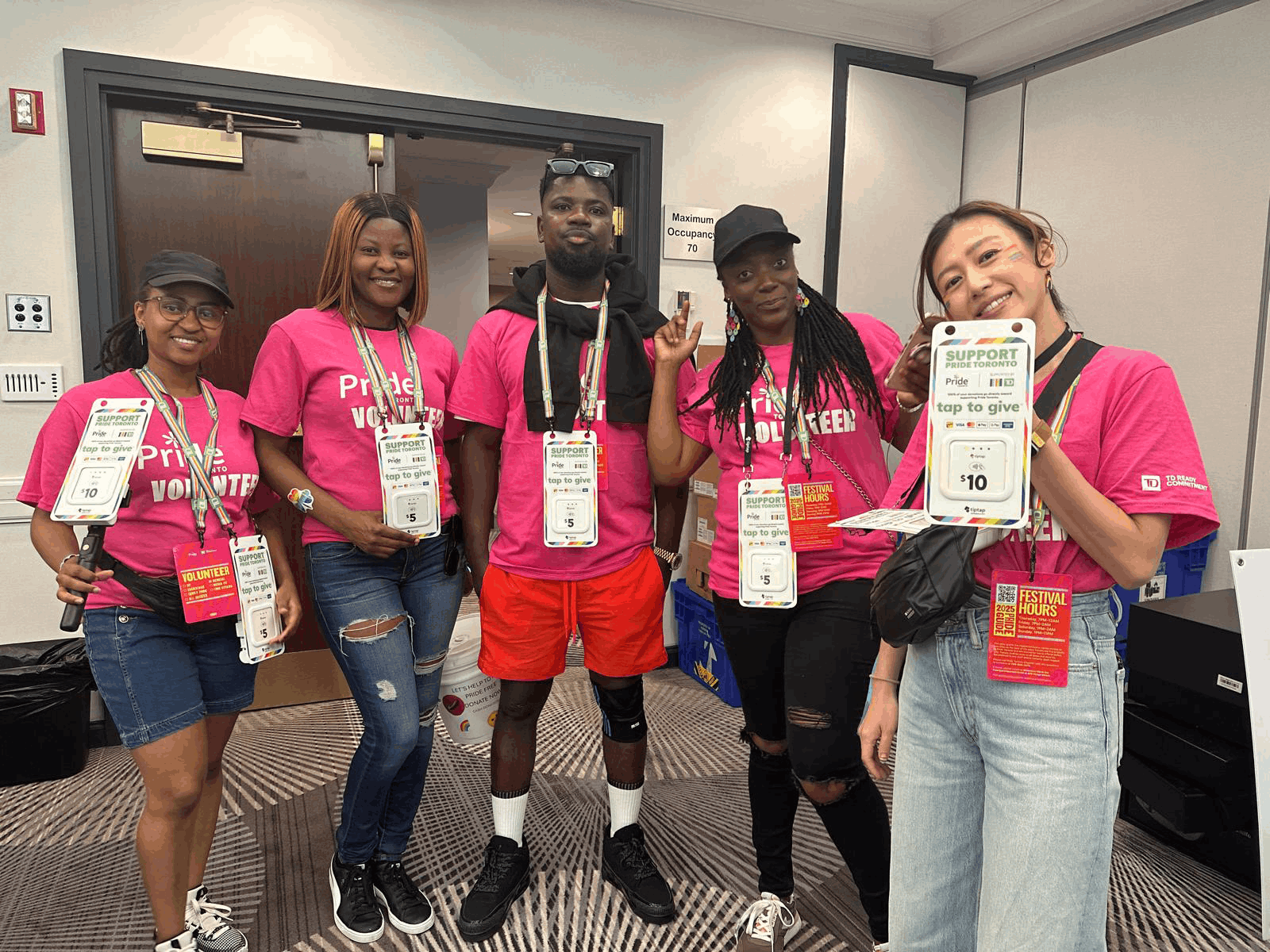
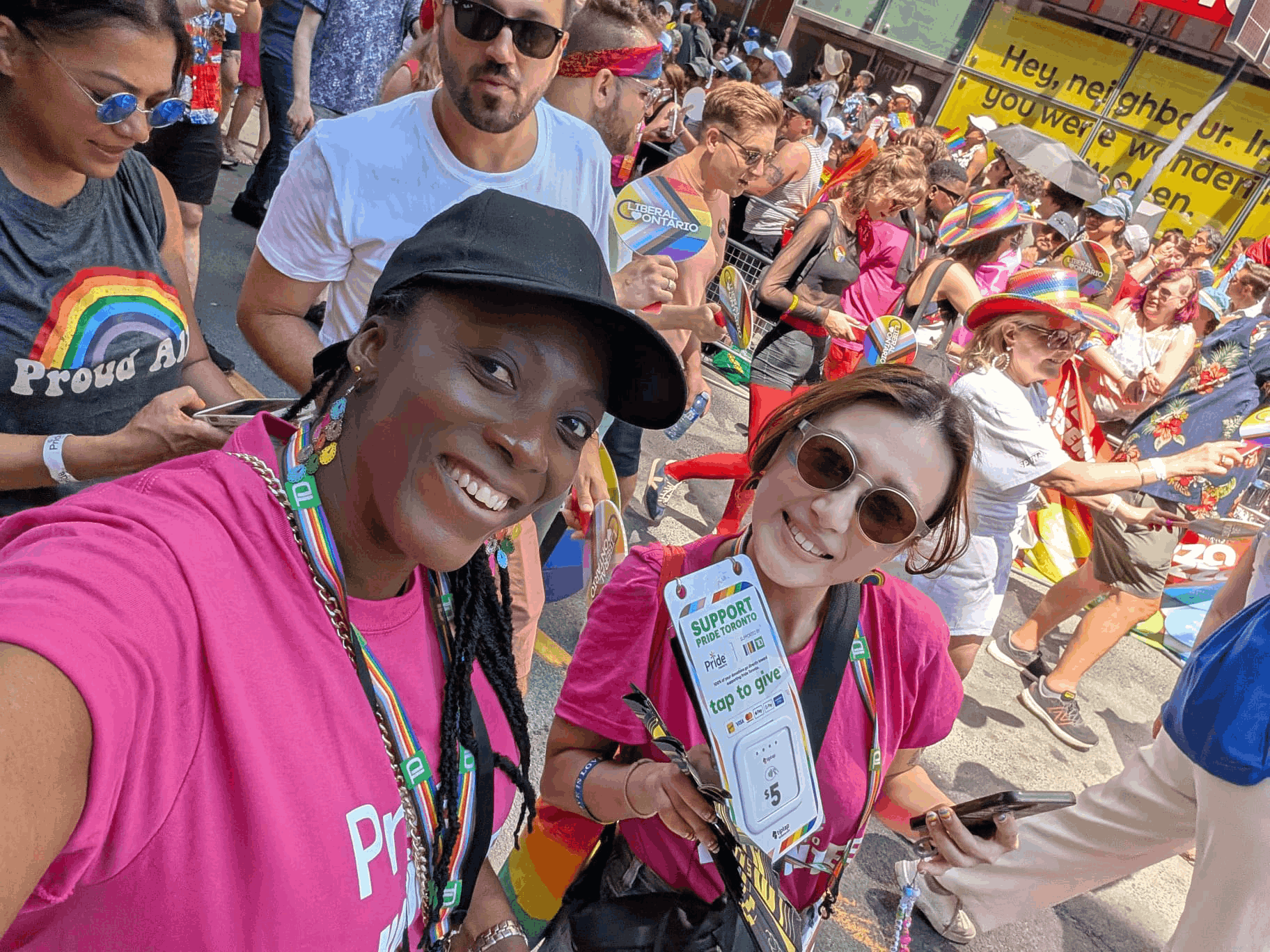
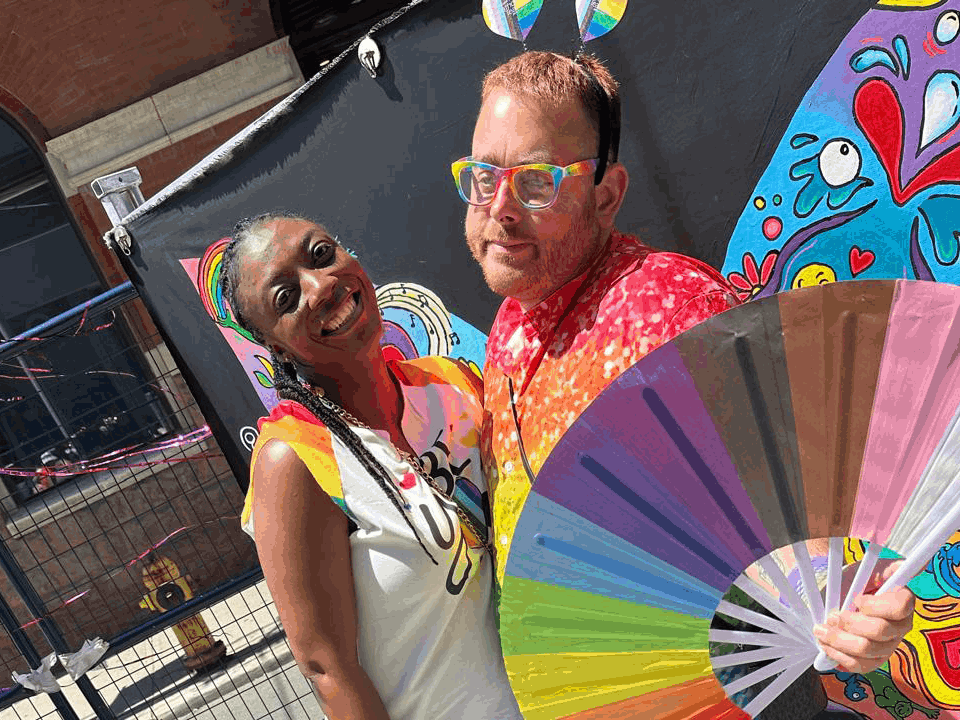
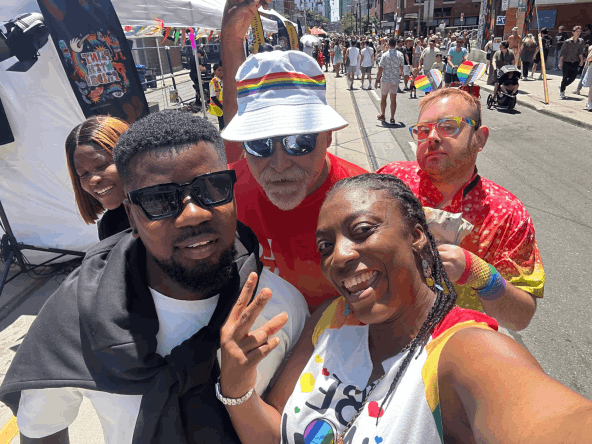
As today marks the 44th Annual Pride Parade in Toronto Canada, it interests me to bring Africans and the entire world on how to accept all human irrespective of race, preference and color. How to embrace the minority group is very important as an African. Below outlines the Acceptance and Stigma of LGBTQ+ in Africa.
The conversation around LGBTQ+ (Lesbian, Gay, Bisexual, Transgender, Queer/Questioning, and others) rights in Africa is as complex as the continent itself—diverse, historical, and shaped by culture, religion, colonial legacies, and contemporary politics. While there are signs of growing acceptance in some African societies, stigma, discrimination, and even criminalization remain widespread.
🌍 A Continent of Contradictions
Africa is home to over 50 countries, each with unique cultural traditions and legal frameworks. While South Africa stands out as a progressive beacon—being the first African country to legalize same-sex marriage and protect LGBTQ+ rights in its constitution—many other African states criminalize same-sex relationships. As of 2025, over 30 African countries maintain laws against homosexuality, with penalties ranging from imprisonment to, in rare cases, death.
🏛️ Colonial Roots, Modern Repercussions
Contrary to the often-cited claim that homosexuality is “un-African,” historical evidence shows that many pre-colonial African societies accepted, or at least tolerated, diverse sexual and gender expressions. It was colonial-era laws, imposed by British, French, and Portuguese administrators, that criminalized same-sex relations. Ironically, many of today’s anti-LGBTQ+ laws in Africa are vestiges of colonial moral codes—not indigenous cultural values.
🧠 The Role of Religion and Politics
Religious conservatism, especially from Christian and Islamic institutions, plays a major role in fuelling anti-LGBTQ+ sentiment. Religious leaders in countries like Nigeria, Ghana, and Uganda often frame LGBTQ+ identities as moral threats. Politicians, too, exploit these sentiments to rally populist support, deflect from governance failures, or promote nationalist agendas.
Recent legislative actions—like Uganda’s 2023 Anti-Homosexuality Act and Ghana's proposed anti-LGBTQ+ bill—reflect a troubling political trend that criminalizes not only same-sex acts but advocacy, support, or even discussion around LGBTQ+ rights.
🌈 Voices of Resistance and Change
Despite the hostility, LGBTQ+ communities and allies across Africa continue to resist through activism, art, storytelling, and legal advocacy. Organizations in countries like Kenya, Botswana, and South Africa are leading campaigns for decriminalization and societal inclusion.
In Botswana, for example, the High Court decriminalized same-sex relations in 2019—a landmark ruling celebrated globally. In Ghana, queer activists are organizing under challenging conditions to challenge anti-LGBTQ+ legislation and promote safe spaces.
Diaspora communities and international allies also play a crucial role by amplifying African queer voices and supporting local movements.
🤝 Gradual Shifts in Social Perception
While legal and institutional challenges persist, there is a slow shift in public perception—especially among younger, urban, and educated Africans. Social media, global pop culture, and increased access to information have made it harder for societies to ignore the diversity of human identity and love.
Queer African artists, musicians, and influencers are also redefining visibility and pride. Their courage in living openly is helping to chip away at stigma and stereotypes.
🚧 The Road Ahead
The journey toward full LGBTQ+ acceptance in Africa will not be linear. It requires unlearning colonial mindsets, reclaiming indigenous histories, and building coalitions that promote human rights for all. While setbacks are real and often dangerous, the resilience and creativity of Africa’s LGBTQ+ communities continue to inspire hope.
📣 Final Thoughts
LGBTQ+ rights are human rights. The challenge is not whether African societies can change, but whether they are willing to return to a deeper cultural understanding of coexistence, dignity, and respect—values that have always been a part of Africa’s soul.
Signed: Gifty Fanyin-Martin (A proud pride advocate)