Health
Understanding the Mental Health of Homosexuals: Challenges and Pathways to Well-being
Home > Understanding the Mental Health of Homosexuals

Published on
14th December, 2024
Mental health is a critical aspect of overall well-being, and for homosexual individuals, the journey to mental health can often be fraught with unique challenges. Societal stigma, discrimination, and internalized homophobia significantly impact their mental health, but awareness, advocacy, and access to supportive resources can pave the way for improved outcomes.
The Challenges
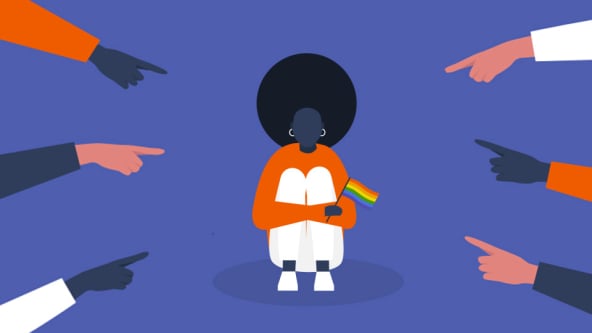
Social Stigma and Discrimination: Homosexual individuals often face rejection and prejudice from family, friends, and society. This stigma can manifest as verbal abuse, physical violence, or exclusion from social or professional circles. Such experiences contribute to feelings of isolation, low self-esteem, and anxiety.
Internalized Homophobia: Growing up in environments that promote heteronormativity, many homosexual individuals internalize negative beliefs about their identity. This can lead to self-doubt, shame, and difficulty forming healthy relationships.
Mental Health Disparities: Studies show that homosexual individuals are at higher risk of mental health issues such as depression, anxiety, substance abuse, and suicidal ideation. These disparities are often rooted in minority stress, which arises from the constant anticipation of rejection or discrimination.
Lack of Supportive Environments: Many homosexuals lack access to affirming support systems. In some cultures and communities, homosexuality is criminalized or viewed as immoral, further marginalizing individuals and discouraging them from seeking help.
Pathways to Mental Well-being
Creating Inclusive Communities: Communities that embrace diversity and foster acceptance can significantly enhance the mental health of homosexual individuals. Initiatives such as anti-discrimination policies, LGBTQ+ support groups, and inclusive education programs are vital in promoting acceptance.
Access to Mental Health Services: Therapists and counselors trained in LGBTQ+ issues can provide affirming care tailored to the unique needs of homosexual individuals. Online platforms and hotlines also play an essential role in providing accessible support.
Support Networks: Building strong networks of supportive friends, family, and allies can mitigate feelings of isolation. Participation in LGBTQ+ organizations or events can also provide a sense of belonging.
Promoting Self-Acceptance: Encouraging individuals to embrace their identity through positive representation in media, literature, and public discourse can combat internalized homophobia. Self-acceptance workshops and empowerment programs are instrumental in fostering resilience.
Advocacy and Legal Protections: Advocacy efforts to secure legal protections for homosexual individuals—such as anti-bullying laws, marriage equality, and workplace non-discrimination policies—can reduce stressors and promote societal acceptance.
Moving Forward
Addressing the mental health of homosexual individuals requires a multi-faceted approach that includes societal change, improved mental health care, and personal empowerment. By fostering environments where everyone can live authentically and without fear, we not only uplift the LGBTQ+ community but also build a more compassionate and inclusive world.
Understanding and addressing the mental health challenges of homosexual individuals is not just about alleviating distress—it’s about recognizing their inherent value and ensuring they have equal opportunities to thrive. With collective effort, we can create a society where everyone feels seen, supported, and celebrated for who they are.
<Home